
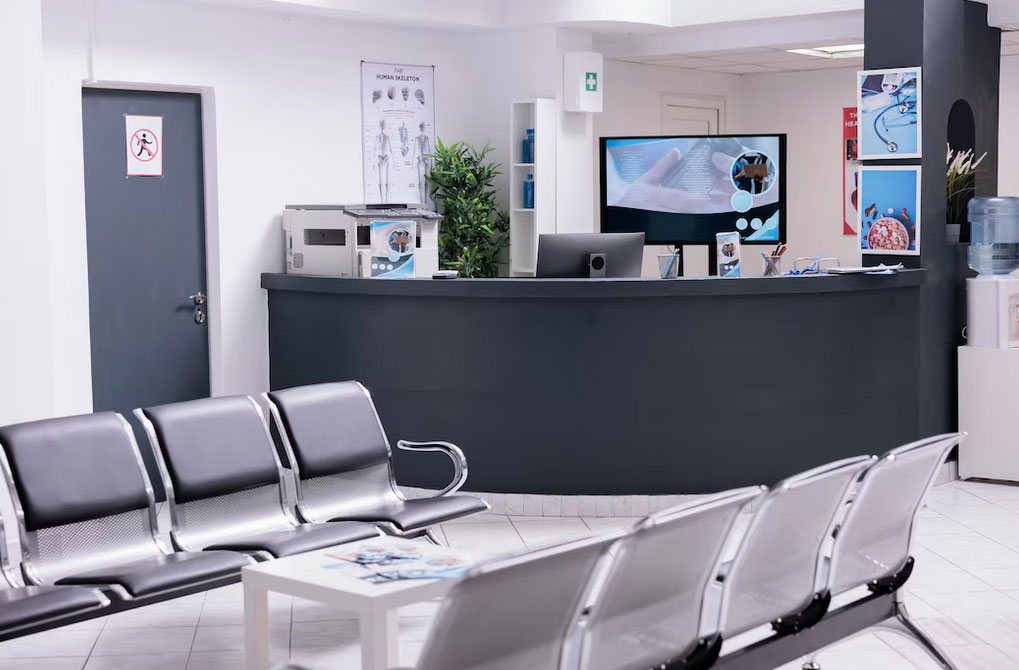
Build a cleaning schedule that keeps pace with your patients, your practice, and every space in between.
Your cleaning crew comes three evenings a week, but the waiting room fills up every morning. Restrooms need attention before lunch, and staff isn’t sure who handles shared surfaces between appointments.
Does your practice need more professional cleaning visits, better daytime coverage, or clearer responsibilities?
Medical office cleaning frequency should reflect how each area is used, not just square footage or the number of visits in a contract. A useful schedule accounts for patient traffic, operating hours, services performed, and the practice’s infection-prevention procedures.
For Bergen County practices, that means considering what happens between appointments, during the workday, after closing, and on a regular maintenance schedule.
Spotless Group provides medical office and healthcare facility cleaning in Bergen County with customized programs built around each facility’s operations. If your current arrangement leaves gaps, start by reviewing which areas need attention, when that work must happen, and who is responsible.
Request a medical office cleaning quote to discuss your practice’s layout, operating hours, and cleaning priorities.
Get a Free Quote for Medical Office Cleaning In Bergen County!
How Often Should a Medical Office Be Cleaned?
An active medical office needs a cleaning plan that covers daily operations, including tasks required between patient encounters and after contamination. However, the frequency of professional janitorial visits and individual cleaning tasks are separate decisions.
An evening crew may clean floors, restrooms, reception areas, and agreed environmental surfaces. That visit cannot cover needs that arise earlier in the day.
The CDC’s core infection-prevention guidance calls for cleaning based on patient contact and soiling, with more frequent cleaning and disinfection of frequently touched surfaces and surfaces near patients. It also calls for prompt decontamination of spills of blood or potentially infectious material.
The practice should address these needs through established procedures and appropriately trained personnel.
The practical question is:
Does your combined staff and cleaning-provider schedule cover each task when it is needed?
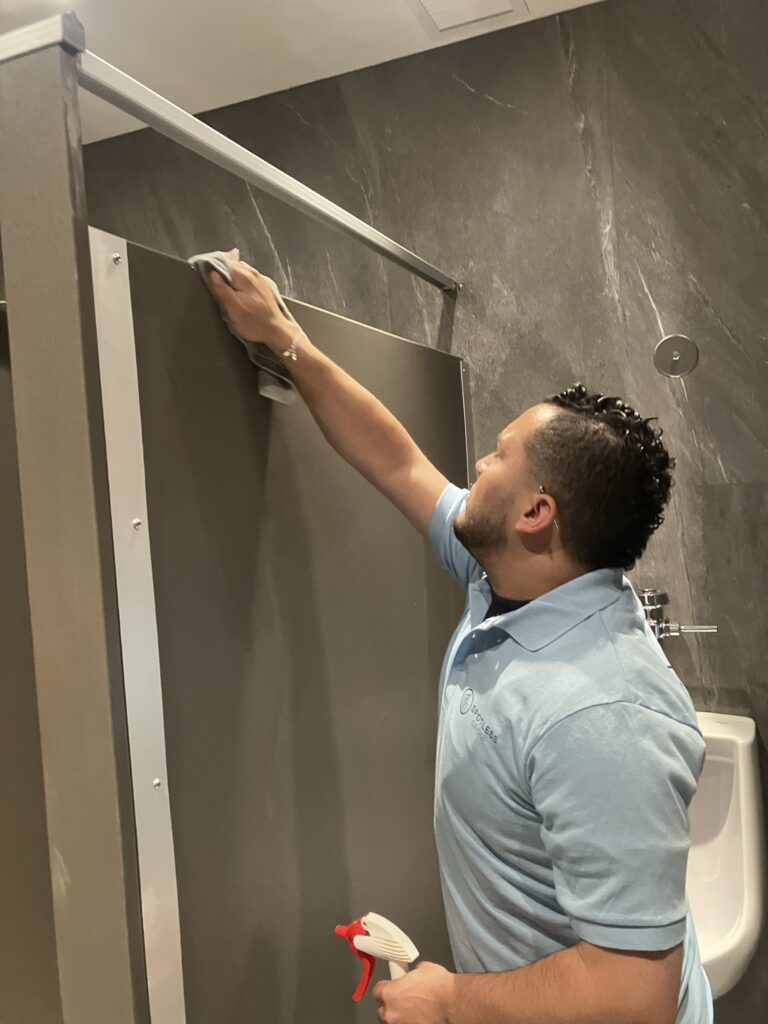
Build Your Cleaning Schedule Around Four Types of Work
A single instruction to “clean the office” leaves too much open to interpretation. Organize the plan around when work must occur.
| Timing | What the written plan should address |
|---|---|
| Between patient encounters | Assigned cleaning and disinfection of patient-contact surfaces and reusable equipment, following facility procedures and manufacturer instructions |
| During operating hours | Restroom checks, supply replenishment, waiting-area upkeep, ordinary spill response, and scheduled attention to shared touchpoints |
| At closing or during scheduled service | Agreed cleaning of floors, restrooms, reception areas, staff spaces, and authorized environmental surfaces |
| At planned intervals | Carpet care, floor maintenance, interior glass, and other detail work appropriate to the materials and facility |
This framework outlines responsibilities. The practice’s clinical leadership should establish the actual requirements for patient-care areas.
Which Factors Determine Medical Office Cleaning Frequency?
Patient Volume and Room Turnover
Consider how many appointments occur and where that activity is concentrated.
A waiting room serving a steady stream of patients creates different demands from an administrative office used by a few employees. Likewise, the number of exam rooms does not reveal how intensively each room is used.
During a cleaning walkthrough, discuss typical appointment volume, peak periods, and which spaces turn over most.
Operating Days and Hours
A practice open six days a week needs coverage that reflects all six days. Include late appointments and weekend hours in the discussion.
Check the actual service calendar. “Three times weekly” does not explain what happens during the longest gap between visits or after a busy Saturday clinic.
Services Performed and Patient Needs
A primary care office, physical therapy practice, and procedure-based clinic may have very different activities and equipment.
Identify restricted areas, specialized rooms, and tasks reserved for clinical personnel before deciding what belongs in the commercial cleaning scope. CDC environmental guidance supports a risk-based approach to cleaning methods and frequency.
Shared Building Responsibilities
For practices in multi-tenant medical buildings, confirm where the landlord’s cleaning ends and your suite’s responsibilities begin.
Who maintains the shared restroom? Who cleans the entrance, elevator lobby, or hallway outside your office? A service gap can persist when each party assumes someone else is handling it.
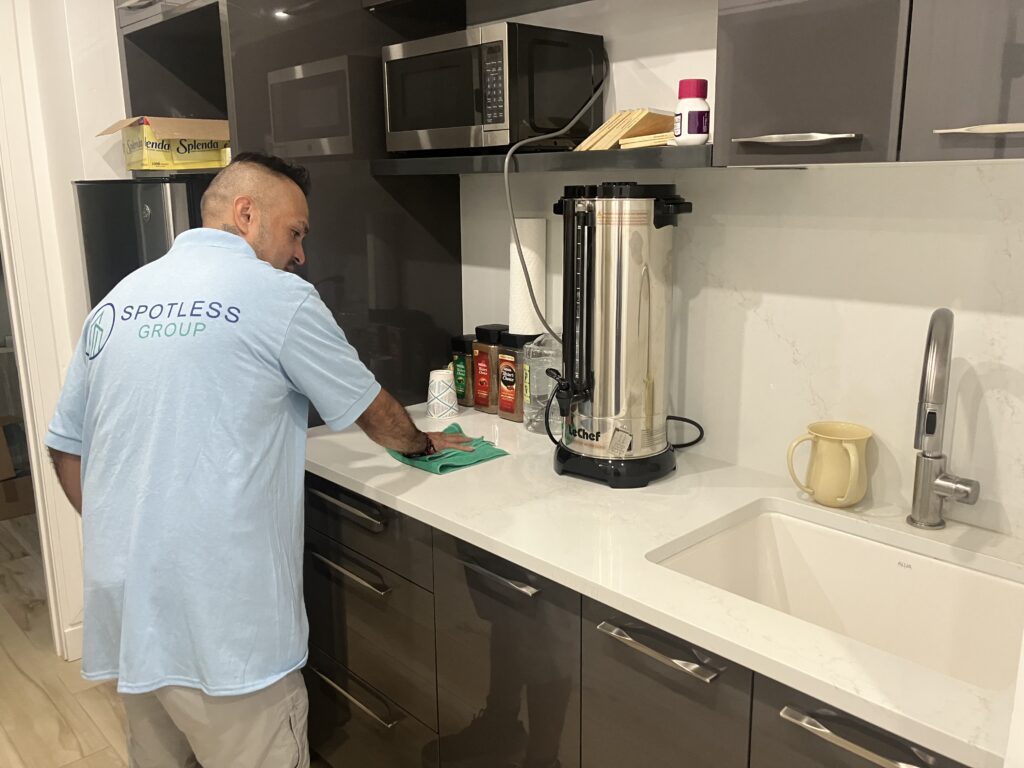
How Should Cleaning Differ by Area?
Waiting Rooms and Reception
Review patient seating, check-in counters, door hardware, shared devices, floors, and waste containers.
Separate scheduled cleaning from daytime upkeep. If waste containers fill or visible debris accumulates before the evening crew arrives, assign business-hour coverage.
Exam and Treatment Rooms
Use a room-specific plan that identifies authorized surfaces, required procedures, and responsible personnel.
Avoid a vague instruction such as “clean exam rooms.” Specify whether the cleaning company handles floors, sinks, cabinet exteriors, counters, or other environmental surfaces. Document which patient-care tasks trained practice staff retain.
Reusable medical equipment requires appropriate reprocessing before use on another patient or when soiled, following manufacturer instructions. Do not assume it falls within ordinary janitorial service.
Restrooms
Review restroom condition during the workday and after scheduled cleaning.
Repeated supply shortages, overflowing waste containers, or visible soil before closing should prompt a review of daytime checks and task ownership. An evening visit alone may not resolve a problem that occurs at noon.
Administrative Offices and Staff Areas
Administrative workspaces, breakrooms, and staff restrooms should have their own assigned tasks.
Set expectations for accessible desktops, food waste, shared appliances, and surfaces near confidential paperwork. The cleaning plan should also explain what staff need to clear before service.
Is Three-Times-a-Week Cleaning Enough for a Medical Office?
You cannot judge the arrangement from the visit count alone.
Three professional visits might be one part of a broader program that includes trained staff handling daily responsibilities and patient-care cleaning. The same contract could leave substantial gaps at another practice.
Before keeping or increasing that frequency, ask:
What happens on days without a professional cleaning visit?
Who addresses restrooms, waste, and shared areas during those days?
Are patient-care cleaning responsibilities clearly assigned?
Does the current scope reflect every day the practice operates?
Are included tasks being completed consistently?
If the problem is missed work, address performance. If necessary tasks are excluded, revise the scope. If conditions deteriorate between correctly completed visits, reassess timing and coverage.
When Should a Bergen County Practice Reassess Its Schedule?
Review your arrangement when:
Appointment volume increases.
The practice adds providers, rooms, or services.
Operating hours expand.
Staff repeatedly handle unplanned cleaning work.
Restroom or waiting-area concerns recur between visits.
Responsibilities become unclear.
Periodic floor or carpet work is repeatedly postponed.
For practices in Hackensack, Teaneck, Paramus, Englewood, and other Bergen County communities, a useful review starts with the same evidence: how the space operates and where the current plan falls short.
Bring specific examples to the discussion. “The waiting room needs attention by midafternoon” is more actionable than “we need better cleaning.”
What Should Your Medical Office Cleaning Proposal Include?
Ask for a written proposal that identifies:
Service days and timing: Include weekend, holiday, and access arrangements.
Areas and tasks: Specify what is included in each room.
Task frequency: Separate each-visit work from periodic services.
Daytime responsibilities: Identify who handles needs before the crew arrives.
Restrictions and exclusions: Document equipment, clinical tasks, and areas outside the agreed scope.
Products and procedures: Coordinate these with facility requirements.
Communication: Establish a contact for concerns and schedule changes.
For broader guidance on comparing proposals, read what to include in a commercial cleaning quote.

Medical Office Cleaning for Bergen County Practices
Your cleaning schedule should make responsibilities easier to manage and help your practice maintain consistent conditions throughout its operating week.
Spotless Group provides commercial cleaning in Bergen County, including customized cleaning programs for medical offices and healthcare facilities. Service planning can address operating hours, patient traffic, room layout, shared spaces, and agreed cleaning priorities.
For a broader explanation of healthcare cleaning procedures and service boundaries, read why specialized medical office cleaning matters.
Not sure whether your current cleaning schedule fits your practice?
Contact Spotless Group to request a quote for medical office cleaning. Discuss areas that need attention, gaps between visits, and what your next cleaning plan should clearly define.
Frequently Asked Questions About Medical Office Cleaning Frequency
Does daily medical office cleaning mean hiring a cleaning company every day?
Daily cleaning responsibilities and daily contracted visits are different. A practice may divide work between trained internal personnel and an outside provider. The combined plan needs to cover required tasks at the appropriate times.
Is after-hours cleaning enough for a busy medical practice?
After-hours service can address scheduled cleaning, but it cannot respond to conditions that arise during appointments. Define daytime responsibilities separately, including restroom checks, ordinary spills, and patient-care cleaning.
Can we schedule extra cleaning only for busy areas?
Ask whether targeted daytime or additional service is available. Specify the rooms, tasks, timing, and price, and coordinate the arrangement with the practice’s existing procedures.
How often should medical office carpets receive professional cleaning?
Set the interval according to foot traffic, material care instructions, condition, and facility requirements. Include carpet care as a separate scheduled task, so its timing and cost are clear.
Can a deep cleaning replace recurring medical office cleaning?
Periodic detail work addresses different needs from ongoing cleaning. A one-time service does not cover the work that becomes necessary as patients and staff continue using the facility.
Request a medical office cleaning quote to discuss your practice’s layout, operating hours, and cleaning priorities.